

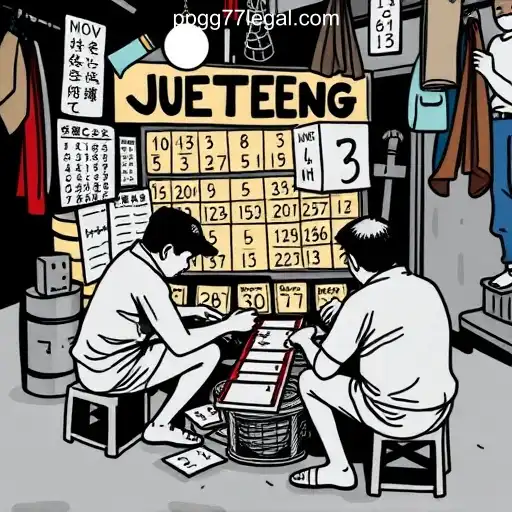
Exploring the Intricacies of Jueteng
The world of gambling is vast and diverse, spanning across continents and cultures. In the Philippines, one gambling practice stands out due to its historical and cultural significance - Jueteng. This traditional numbers game, deeply embedded in Filipino society, has become more than just a game of chance; it is a symbol of socio-political and economic dynamics in the region.
The Origins of Jueteng
Jueteng traces its roots back to the Spanish colonial era when it was brought to the Philippines. The word 'jueteng' itself is believed to be derived from the Chinese word 'ho loteng' meaning flower gambling, which indicates its possible Asian influences. Originally played by Chinese immigrants, this game soon found its way into the heart of Philippine society where it evolved and adapted throughout the years.
How Jueteng is Played
This game of numbers is deceptively simple yet deeply engaging. Participants select a pair of numbers between 1 and 37, or in some variations, up to 38. These numbers are then drawn randomly. If a player's selected numbers match the drawn numbers, they win the pot. Much like a lottery, Jueteng combines the thrill of chance with the allure of potentially high financial rewards. It’s this excitement that has allowed the game to maintain its popularity through the decades.
Socio-economic Impact of Jueteng
Despite its illegal status, Jueteng is a staple in many Filipino communities. It functions not only as a form of entertainment but also as an unregulated financial system. The game provides livelihood for thousands who act as collectors or 'cobradores', administrators or 'kubradors', and other roles essential to its operation. For many, Jueteng is one of the few available means to earn a steady income, especially in impoverished areas where formal employment opportunities are scarce.
Furthermore, for participants, Jueteng represents hope - a chance to alter their financial situation instantly. This aspect plays a significant role in why it continues to thrive despite ongoing efforts at enforcement and regulation.
The Political Tangle
Jueteng's influence extends into the political realm. The operation of this illicit game cannot persist without some level of protection or collusion from authorities. Over the years, numerous scandals have emerged, implicating politicians and law enforcement in Jueteng operations. Bribes and payoffs facilitate this underground network, making it a source of corruption and influence peddling.
For politicians, control over Jueteng can translate to political capital. By either suppressing or tolerating the game, they maneuver to gain favor among constituents or secure financial backing, deeply entangling Jueteng with local and national politics.
The Legal Duel: Jueteng vs Government
The Philippine government has continuously grappled with Jueteng, oscillating between attempts to crack down on operations and considering its legalization. Critics argue that legalizing Jueteng could allow regulation and taxation, transforming it into a legitimate revenue source while reducing corruption. However, opponents maintain that legalization might proliferate gambling addiction and exacerbate societal issues.
Efforts to combat Jueteng often involve raids, arrests, and seizures, but these actions have limited long-term success. The deeply entrenched nature of Jueteng in the fabric of some communities makes eradication an almost insurmountable challenge.
Online Rivals and Modern Evolutions
In recent years, the rise of online gambling platforms such as "PPGG 77 Cassino online com bônus no Brasil💸" has introduced new dynamics to the gambling landscape. These platforms offer legal and accessible alternatives to traditional gambling forms, potentially impacting Jueteng's popularity. The convenience and allure of bonuses in online settings attract a younger, tech-savvy audience, drawing them away from traditional methods like Jueteng.
While Jueteng remains a significant force within the local sphere, its future is uncertain amidst the global shift towards digital gaming. As regulatory environments evolve and technology advances, Jueteng may need to adapt or face gradual obsolescence in favor of more modern alternatives.
Conclusion
Jueteng is more than just a numbers game; it is a reflection of the socio-economic and political realities in the Philippines. While debates about its legality and morality continue, Jueteng persists, representing both a challenge and an opportunity for those who seek to engage with it. As the gambling landscape changes globally, only time will tell how Jueteng will fare amid emerging trends and technologies.